
Newsletter
Welcome to MAP Connection!
The Menon Academic Partnership is pleased to launch the “MAP Connection” a newsletter sharing program updates and connecting MAP partners
Mid-Year Program Highlights
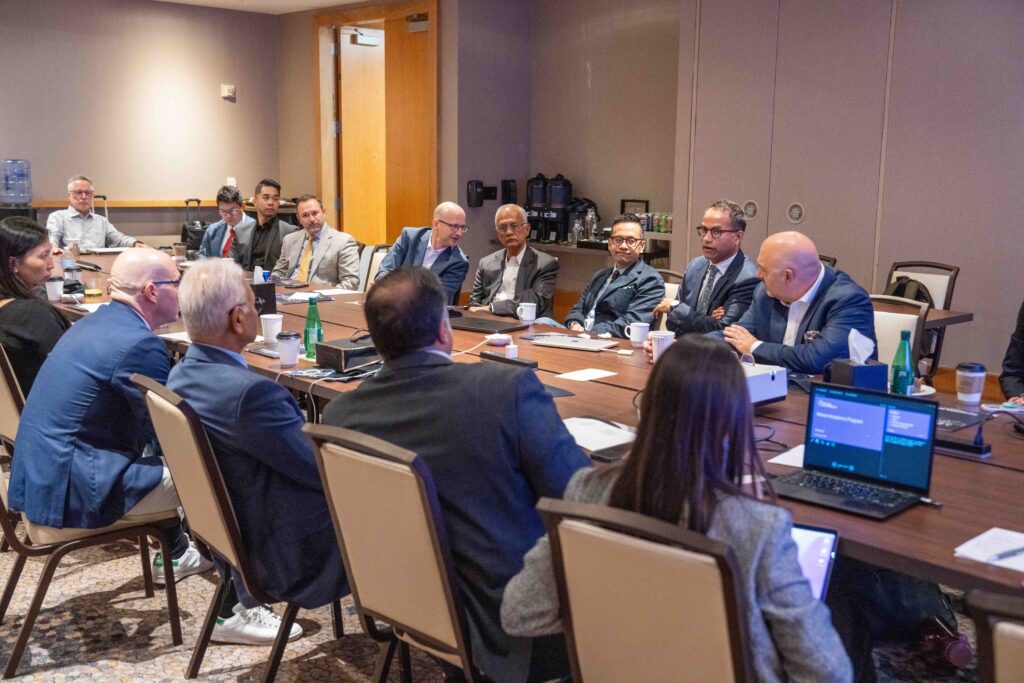
The Menon Academic Partnership officially launched in Detroit in August 2025. Participating programs presented their work and goals for collaboration with leading urology programs in the United States and beyond.
Through unrestricted funding, MAP is helping partners in their efforts to train the next generation of urologic surgeons and support academic-driven training with the goal of enhancing coordination across academic programs.
Initial grant awardees include the University of Michigan, Yale, NYU Langone, Johns Hopkins Brady Urological Institute, UCLA, Mass General Brigham, University of California San Francisco (UCSF), Ohio State University, and Henry Ford Health’s Vattikuti Urology Institute with new awardees joining in 2026.
In Case You Missed It
U’s Dr. Lee Zhou wrote an interesting piece on surgical learning: The Wicked Problem of Surgical Failure. Hat tip to Dr. Mark Litwin for sharing.
Read it here: https://www.leezhaomd.org/post/the-wicked-problem-of-surgical-failure
MAP Meeting at Johns Hopkins May 14, 2026
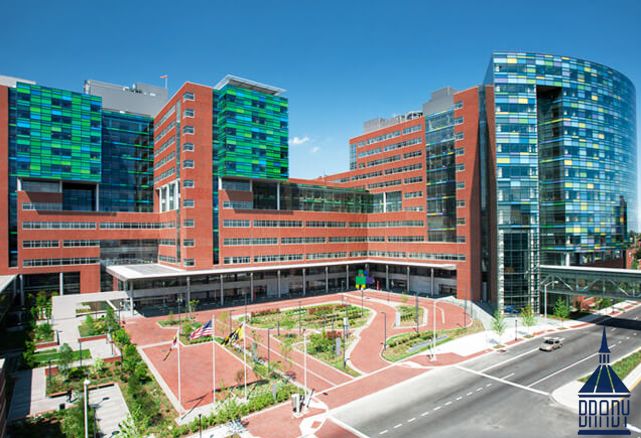
The second gathering of the Menon Academic Partnership (MAP) will be hosted by Johns Hopkins Brady Urological Institute on May 14, 2026 from 9:30 am to 5 pm ET in Baltimore. Members of the MAP community will gather to discuss new findings and innovations and share collaboration efforts with the assistance of MAP .
Guests will tour Johns Hopkins Surgical Learning and Innovation Center for Excellence (SLICE), a state-of-the-art immersive training laboratory for medical students, fellows, and residents. The lab uses simulation and synthetic materials to create life-like operating room scenarios, including exact replicas of patient anatomy and pathology. The lab offers a structured, low‑stakes learning environment where trainees can refine their technical abilities while receiving targeted, actionable feedback.
Please contact: Emily Pixler, Brady Development Officer, epixler1@jhmi.edu or Laura Zuluaga, Mount Sinai, laurazuluaga20@gmail.com
Mid-Year Partner Update

Mass General Brigham Department of Urology
*Save the Date*
Senior Resident Capstone for PGY4/5s May 30, 2026
With support from MAP, Mass General Brigham will hold a senior resident “capstone” program on Saturday, May 30th, 2026. There will be a Zoom option available for those unable to attend in person. The day-long session will bring professional advisors and faculty members together to better inform senior residents about the next career steps after residency and the responsibilities urologists will face in their first year of practice. The first half will focus on the basics of EMR coding, billing, and documentation as well as personal finance, disability insurance options, and loan repayment and consolidation strategies. The session will include brief seminars followed by panels with faculty to get a practical and applicable perspective on the topics. The second half will involve panel discussions with Faculty at different career stages, with a senior faculty panel focused on the “Hidden Attending Curriculum” of being an attending, including breaking difficult news, managing challenging patients, and handling complications. A panel of junior faculty from both academic and private practice will address the topic,
“What I Wish I Knew in My First Year of Practice,” including discussions on clinic efficiency, collaborating with advanced practice providers (APPs), and managing patient volume and RVUs. Finally, a panel of established leaders from both academic and private practice settings will focus on “Succeeding Outside the OR” with candid discussions on maintaining wellness, making time for family, taking on non-clinical roles, and pursuing passions beyond clinical practice.
Please contact Dr. George Haleblian for faculty or early career alumni interested in participating on a panel at:
GHALEBLIAN@bwh.harvard.edu
University of Michigan Department of Urology
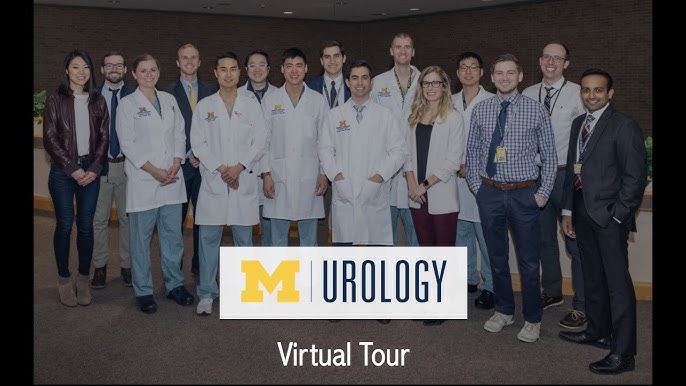
U of M has initiated a call for a new resident incubator research grant funded through MAP . The grants are intended to support mentored research by urology residents. All types of research are eligible and work is expected to be completed in a 1-2 year timeframe with flexibility with demonstrated progress. The program will host its Annual Resident Retreat and Resident Research Day on April 24, 2026. Dr. Henry Lai is invited as visiting professor and external judge and will provide special lectures and discussion with residents regarding research/academic careers and opportunitie to continue to foster interest in research and development of research skills within the resident cohort.

NYU Langone Health Department of Urology
Dr Madhur Nayan is leading efforts to mentor trainees leveraging large-scale clinical data. Dr Simon White (PGY2) recently presented research on the use of pembrolizumab after nephrectomy for high-risk clear cell renal cell carcinoma , and Grace Maline (4th year medical student) used large language models to assemble a cohort with serial kidney tumour size measurements to study risk factors for tumour growth. NYU’s DataHub is developing scalable AI models aimed at personalising care for kidney tumours.
Dr. Stacy Loeb and Dr. Vyom Swahney (PGY3) are working with the AUA to develop a new continuing medical educationcourse on nutrition and lifestyle in prostate cancer. Dr. Loeb’sresearch has shown the importance of nutrition and lifestyle in prostate cancer and other urological conditions.
Yale University Department of Urology
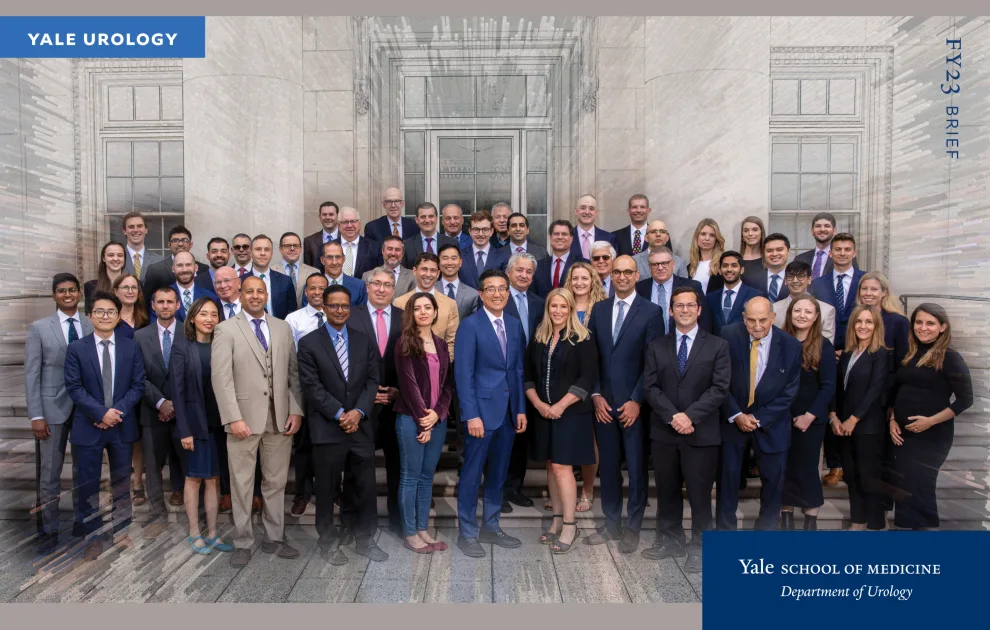
The program has established regular meetings with trainees in Vienna, Hungary, and Poland who are working on a number of clinical research projects using institutional and publicly available datasets. The collaboration is yielding important research products.
Examples include:
A manuscript published in Urology evaluating the performance of large language models for clinical abstraction of adverse events from an FDA database (https://pubmed.ncbi.nlm.nih.gov/41565161/).
A systematic review published in European Urology Focus evaluating the role of artificial intelligence tools for risk stratification and outcome prediction in urologic cancers (https://pubmed.ncbi.nlm.nih.gov/41412890/) Paper examining the association between prostate radiotherapy and survival examining the role of metastatic extent.
The collaborations are already continuing beyond the immediate training phase. Tamas Fazekas is an alumnus of Dr. Shariat’s fellowship in Vienna and has returned to Semmelweiss University in Budapest Hungary. Working with his trainees he has recently had several abstracts accepted to the AUA and EAU meetings.Yale will host one of the residents from Vienna for a one-year research rotation beginning in the fall and is making plans for short exchanges between institutions during the time of the AUA and European meetings to continue momentum.
Johns Hopkins Brady Urological Institute
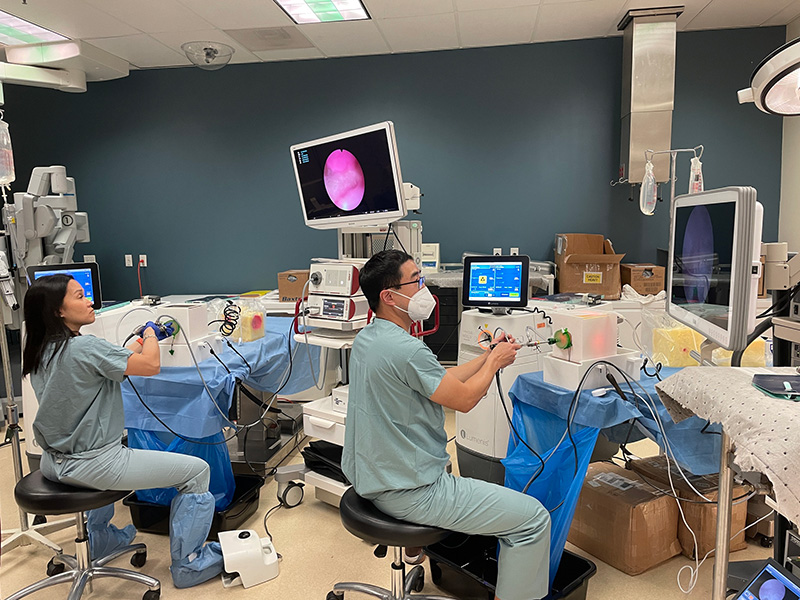
MAP funds are supporting the ongoing surgical skills curriculum for residents, including through SLICE. Residents participate in dedicated laboratory sessions twice a month, with plans underway to increase faculty involvement. Each resident is provided with their own set of three models—prostate, HoLEP , and laparoscopic—which ensures consistent hands-on practice across a range of procedures and supports the development of both foundational and advanced operative skills.
During these individualized practice sessions, residents receive real-time, personalized feedback from the lab instructor. Each session is also recorded for later review. These recordings serve several key functions: they contribute to the research of Dr. Arun Rai, whose work focuses on surgical proficiency and relies on a growing database of operative performance and feedback; they allow residents to independently review and reflect on their technique; and they provide valuable data for future review by the clinical competency committee.
Overall, the lab sessions offer residents a structured, low‑stakes learning environment where they can refine their technical abilities while receiving targeted, actionable feedback. The MAP funding has greatly enhanced our capacity to deliver a hands-on, iterative educational experience that meaningfully complements clinical training and strengthens resident confidence in the operating room.
Department of UCLA Urology
Dr. Kevin Walsh (2025-26 Menon Award winner) has been studying the quantification of Gleason Pattern 4 to predict adverse oncologic outcomes in men with localized prostate cancer. His work has led to the development of a novel metric that combines micro-ultrasound tumor volume with the percentage of Pattern 4 on biopsy, serving as a proxy for absolute volume of Gleason Pattern 4. Preliminary results demonstrate strong discriminative ability for predicting extracapsular extension, outperforming standard MRI assessment alone. This work was presented as a podium presentation at the Western Section AUA conference and was awarded first prize at the Prostate Cancer Symposium and World Congress. A manuscript detailing these findings is currently in preparation.
Additionally, Dr. Walsh has led a multi-institutional collaboration comparing an AI-based prostate cancer mapping tool (Unfold AI) to PSMA PET-CT and MRI for detecting extracapsular extension and foci of clinically significant prostate cancer. This study demonstrated that the AI platform achieved superior detection of extracapsular extension compared to both PSMA PET-CT and MRI, with a high negative predictive value that may help identify candidates for nerve-sparing surgery. A manuscript from this work is also in preparation
Henry Ford Health Vattikuti Urology Institute
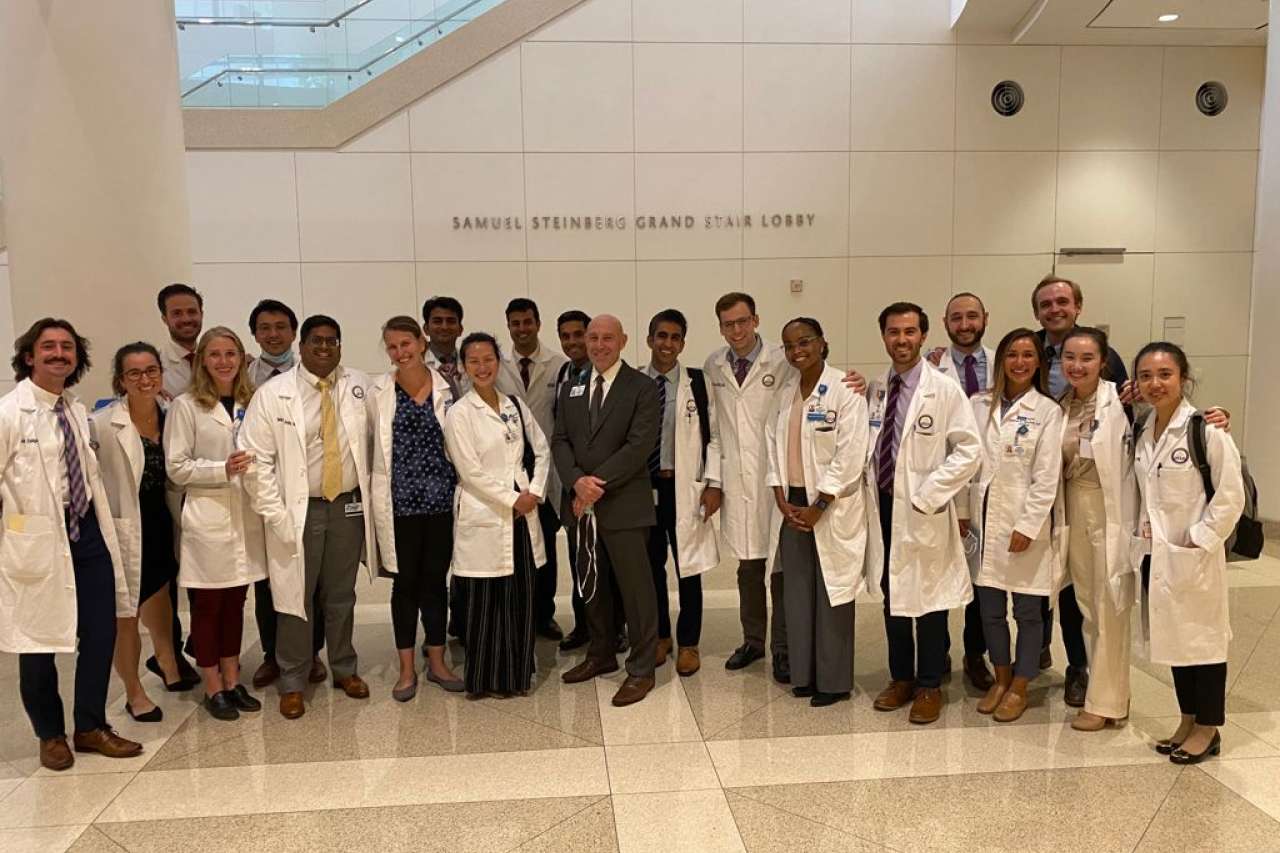
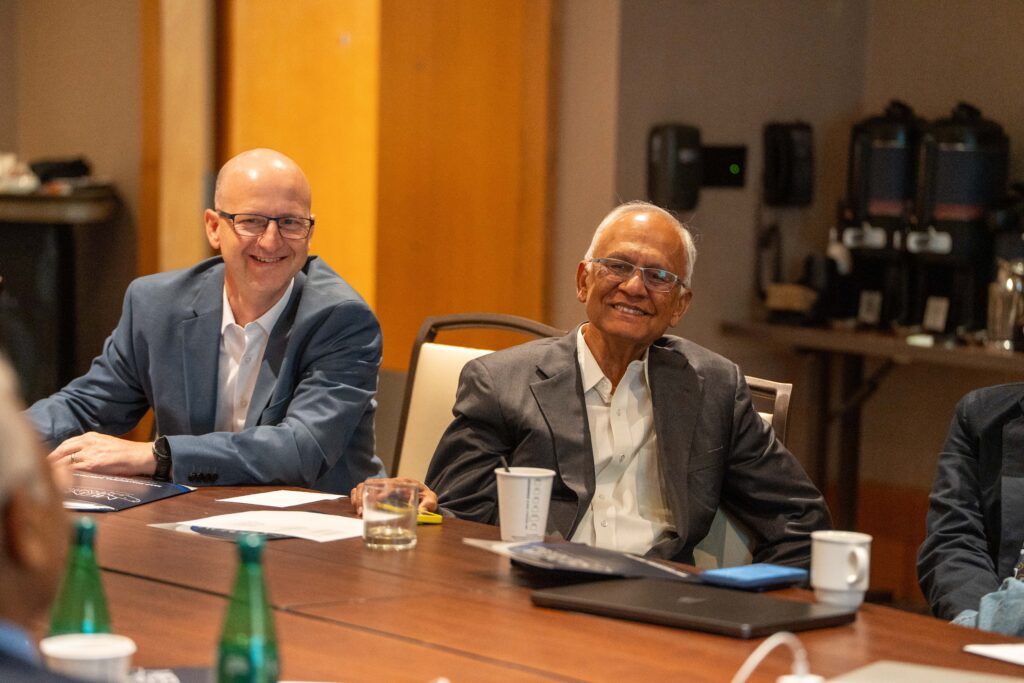
MAP continues to play an important role in supporting resident education and research innovation. MAP funding has helped expand several educational initiatives for trainees, including participation in the AUA Fundamentals Bootcamp, which provides incoming interns with a strong foundation in essential urologic skills. Support has also enabled the development of a Point-of-Care Ultrasound curriculum to enhance residents’ procedural capabilities and patient care. Additional opportunities such as participation in the Mount Sinai Prostate Symposium, the Visiting Professor Series, and resident community events further strengthen mentorship, professional development, and wellness within the training program.
MAP support has also facilitated several innovative research initiatives focused on prostate cancer diagnosis, surgical technique, and outcomes. A major effort is the development of a randomized controlled trial evaluating precision prostatectomy as a focal surgical approach designed to preserve functional outcomes while maintaining oncologic safety compared with radical prostatectomy. This work incorporates emerging technologies including advanced histologic imaging, robotic surgical performance metrics, and 3D tumor modeling to improve tumor localization and surgical planning. In parallel, investigators are developing an AI driven predictive model for prostate cancer diagnosis using a comprehensive Henry Ford prostate database that includes all men aged 45 and older who interacted with the health system between 1995 and 2023. Conducted in collaboration with Michigan State University and Clarkson University, this project applies machine learning to large scale clinical data to enhance early detection and risk stratification while minimizing overdiagnosis and overtreatment.
UCSF Department of Urology
Through the support of MAP , the program has sought to credential CD46 (a cell surface protein that is a potential driver of malignant transformation) as a promising diagnostic and therapeutic target across all stages of disease, including non-muscle invasive and muscle invasive bladder cancer and metastatic urothelial cancer. Clinical trials to target CD46 in genitourinary malignancies such as prostate cancer are currently underway and have demonstrated that CD46 is also highly expressed across all molecular subtypes of urothelial carcinoma.
UCSF has previously evaluated CD46 expression in bladder cancer cell lines and have now generated TMA’s with primary and metastatic patient samples and have validated broad expression of CD46 across disease states. CD46-based PET imaging has been performed in mouse models for metastatic urothelial carcinoma. UCSF is in the process of developing an intravesical model to evaluate its utility in localized disease. Based on the results of these ongoing efforts, the program hopes to transition to first-in-human trials using CD46 PET for urothelial carcinoma by the end of 2026.
New Partner Welcome
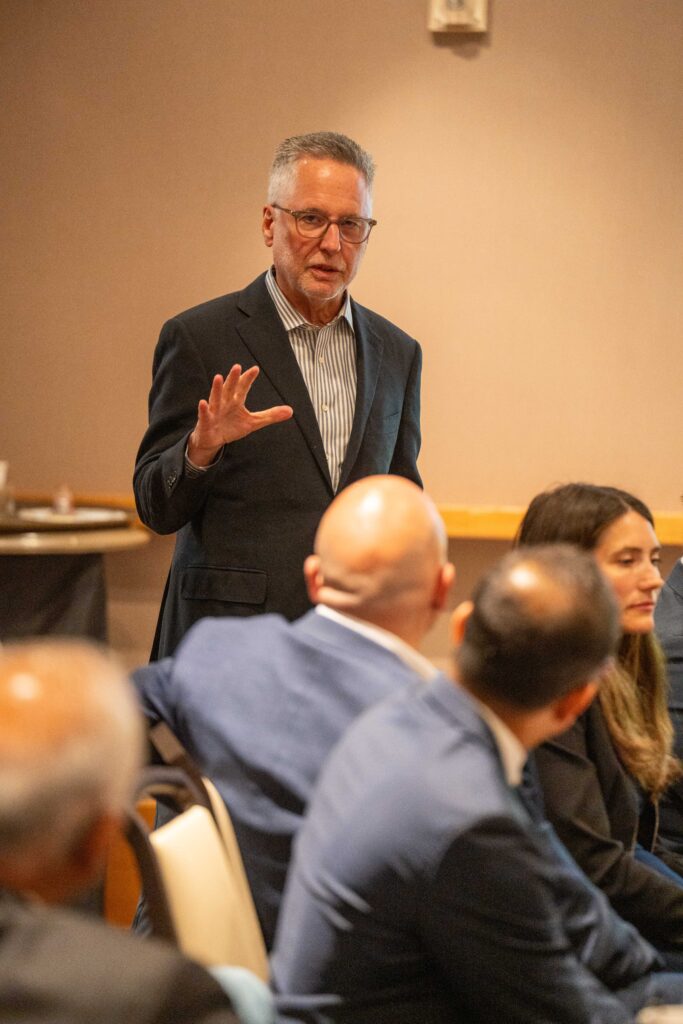
MAP welcomes new partner Weill Cornell Medicine Department of Urology and department chair Dr Larissa Rodriguez and her team. We look forward to working together as we continue to advance urology training. Stay tuned for more partners to come!